
Also Available On:






Our Guest
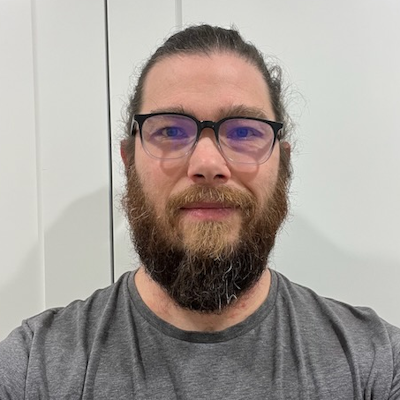
Keith Comer is a software developer and creator of Respect Public Schools and its RTRI map. He is interested in all things concerning public schools and the encroachment of state supported religion. He lives in Ohio home of LifeWise and has been tracking them for years.
Online Links

Show Transcript
Click here for a full transcript
Doug Berger: 00:05
In this first part of a two-part expose, we uncover the grifting money machine of LifeWise Academy and their Christian nationalist friends who want to indoctrinate and recruit your children to replenish the pews that have been emptying due to child abuse and political overreach. Our guest is Keith Comer from Respect Public Schools.
Voice Over: 00:30
This is Secular Left with Doug Berger, an independent, religion-free, progressive viewpoint on topics of the day.
Doug Berger: 01:00
This episode is part one of a two-part conversation that I had with our guest, Keith Comer, who is the founder and operator of Respect Public Schools website. And what he does has been doing for several years now has been tracking the rise of LifeWise Academy, the Christian nationalist religious group that’s trying to insert itself into public schools around the country during the school day using the framework of a Supreme Court case from 1952. It’s been a couple of years. I live in the state of Ohio. It’s been a couple of years since they forced their way into Ohio classroom. So I kind of want to get a checkup with Keith. And in this uh first part, we’ll be talking about the financial problems with LifeWise, the time problem and the disruption to the public school, and we’ll go over the history of uh release time religious instruction. And then we’ll also talk about the Christian privilege discussion compared to reactions about Islamic education and also talk about life-wise political alliances, which include the hate group Family Research Council, the Center for Christian Virtue, Alliance Defending Freedom, and Moms for Liberty. And these are people that want to come in and take children out of school for Bible study. And then the second part, uh part two of this interview in the next episode, we’ll be talking about hidden costs to taxpayers, uh, some specific case studies of violations of the Supreme Court decision, including Alliance Defending Freedom’s uh fake letter about it. And then we’ll also talk about other programs, other RTRI programs that compete with LifeWise. And then we’ll finish up the second part talking about closing red flags, such as the inadequate background checks, safety concerns, etc. So this is roughly a two-hour interview that I had with Keith. I hope you’ll come for both. And so here is the first part of our interview.
Voice Over: 03:27
You are listening to the Secular Left podcast.
Doug Berger: 03:33
In general, it is illegal to mix religion with public schools. The main argument used is that children didn’t choose to be in school, and the courts have said that it isn’t fair to subject them to religion while at school. The other part of the argument is by injecting religion into the public schools, the government is violating the parental choice to direct the religious education of their own children. Most people agree that if government is to be neutral toward religion, then religion shouldn’t be sponsored or endorsed in public schools by the government. And there have been several uh U.S. Supreme Court cases over the over the years, mainly in the late 40s, early 50s. We have Everson v. Board of Education in 1947. Uh it applied the First Amendment to the states, because originally before the First Amendment supposedly didn’t apply to the states. And then in 1948, we had McCollum v. Board of Education. In that case, the court struck down a Champaign, Illinois program as unconstitutional because of the public school system’s involvement in the administration, organization, and support of religious instruction classes. The court noted that some 2,000 communities nationwide offered similar release time programs affecting 1.5 million students. And this was in 1948. And I can attest, my mom, she is in her 80s, and she had to attend religious education classes in school in the early 50s. And then in 1952, we had Zorach Zorach v Klausen, and that allowed religious religious uh release time, religious instruction programs as long as they were off campus, that the parent signed off on it, and that no tax dollars were spent on it. So from 1952 to about 2014, RTRI was a patchwork of after-school programs, and even some violated the law by holding them on school property. Um, the one I like to use is we had a county school, Corey Ross, where they had a church bus that parked on their parking lot. And uh and I think our guest today also has some other other examples as well that we could talk about. In 2014, a law was passed in Ohio that uh provided a legal framework for RTRI so that you know that there was a common framework for it. It allowed high school students to gain course credit for religious study, and it was just a rehash of what was in the Zorash V. Clawsett decision, basically. Lifewise founder Joel Penton found Jesus and started a fake school assembly group in the early aughts. And in 2018, he was invited to a ribbon-cutting ceremony for an RTRI program building in Van Wert, Ohio, where he was introduced to an RTRI program that happened during the school day. And he claimed to have had a Eureka moment that he would start a group that would turn that idea into a franchise model and have it start all over the country like a religious McDonald’s restaurant. And the angels sang, and Lifewise Academy was born. Well, if you listen to their official history, um, headquarters would work with local groups to establish these programs based on a curriculum drawn from the Southern Baptist version of theology and rent it out to the local programs. They would also provide other services like liability insurance and guidance and training on operating their programs. The local group would need to provide all the funding for their program, with a large amount of that heading back to headquarters in Hilliard, Ohio. All was well and good in the land until LifeWise tried to grow programs outside the religious, rural, isolated areas of Ohio. He got pushback from people who supported public schools and saw LifeWise and its religion during the school day model as conflicting with the strained resources of public school systems in the state. A couple of districts either rejected LifeWise or rescinded approval after considerable considerable complaints from parents in the district. Not to be undaunted. Joel turned to the Christian nationalist welfare system and got some major
Doug Berger: 07:57
assistance. In particular, he got bill House Bill 445 introduced in the Ohio legislature that would force schools to work with LifeWise and allow them into the district. Opposition came together to oppose that law. Myself and our guests today worked with other groups in the state to offer testimony and support against House Bill 445. There happened to be at the same time, coincidentally, a political drama in the majority party in the state house, and they ended up changing the chair of, I believe it was the education committee that was considering this bill. And we ended up with a former teacher and school board member who hated House Bill 445, and it was effectively shelved. The Christian nationalists, however, fought back and had it introduced in the Ohio Senate, but it didn’t seem to have any traction there either. So in a last-ditch effort at the end of the of the legislative session, the LifeWise uh supported changes to Ohio’s RTRI law were crammed into another state law, House Bill Eight, called the Parents of Bill of Rights Act, that was being voted on in the lame duck session, and it was passed at the end of 2024. More and more people have learned just how bad LifeWise is for public schools, and there are still people in groups trying to keep RTRI programs like LifeWise in check in two years. That’s mainly why I want to have this discussion today, is to find out where we’re at. And our our guest today is Keith Comer. He is a software developer and creator of Respect Public Schools and its RTRI map. He’s interested in all things considering public schools and the encroachment of state-supported religion. And he lives in the Tiffin, Ohio area. Welcome, Keith.
Keith Comer: 09:47
Hello. Thank you for having me on.
Doug Berger: 09:49
Sorry for that long introduction, but I wanted to catch people up.
Keith Comer: 09:53
It’s a complicated issue. There’s there’s a lot of backstory.
Doug Berger: 09:58
Um the first thing I wanted to do is uh everybody’s interested in an origin story. So how did you get interested in this issue at the beginning and start your group uh Respect Public Schools?
Keith Comer: 10:12
Um I found out about it um because my rep is Gary Click, my house rep for the state. And he’s the one that introduced House Bill 445 that you talked about in the intro. Um I had been watching some of the bills that he had put in um prior to that, um, you know, talking about uh abortion rights, um, trans rights, um, think things like that. And then I saw this bill, and it only changed the very first version of the bill, only changed one word, the word may to the word shall, and it threw alarm bells off because why would you pass a law and only change one word? I mean, I don’t know if that really ever happens. Um, and so I started looking into it, and then I found um the organization lifewise that was was pushing it through some news, news articles, and I went to their website and just kind of poked around for a bit and wasn’t sure how big they were, how many schools they were in, but I kept searching, kept finding them, searching other ones, wouldn’t find that they were in there. And so eventually I got tired of doing that, and so I just wrote a program to screen scrape their website and put it on the map and did it all in just a few few hours.
Doug Berger: 11:39
Yeah, and I believe that uh they actually came after you legally for that as well, right?
Keith Comer: 11:45
Yes. Um they filed charges against me um in in Hilliard. Uh they went into the police, filed a full re report. Um, their attorney had a list of charges that they thought that I should be charged with. Um the police said that they didn’t see that anything had had been broken, um, that there was no law that they could see that was broken. Um, so it didn’t move further than that. Um, but also in the midst of that, they sent me a letter from their attorney threatening that they would press charges if I didn’t take the website down. Um so yeah, they used several tactics to try to get me just to take the website down, just to stop it.
Doug Berger: 12:31
Yeah, and basically all you did was you gathered their data that they had publicly available and made it into uh an entity that other people could look at and and analyze, correct?
Keith Comer: 12:44
Yeah, yep. There’s it’s all just data that’s sitting on their website. Instead of having to search, you know, 13,000 school districts, you could just go to a website and and see them. Um and what’s even funnier about it now is they just made public a map um on their site that looks suspiciously like mine, um, even to the the point where um I kind of made the step or the process that they’re in more of a broad thing rather than one to ten steps. I just had three or four just to make it easier to understand and and read. Um they have that, they have a bunch of things that I had done on mine that they now have on theirs.
Doug Berger: 13:27
So yeah, awfully suspicious, yes. Now I do want to make clear too as we get into this that releasetime religious instruction is not a constitutional right. Yeah, it’s a constitutional right that a student can go to one of these classes, but it’s not a constitutional right that that districts must have these classes or offer them, correct?
Keith Comer: 13:56
Yes, that is that is 100% correct. Um even an attorney um who did did testimony on behalf of LifeWise, um, he’s actually he’s in the legislator and the legislative body in Texas. He’s also an attorney for First Liberty, um, which is a you know a law firm that LifeWise uses. And in his testimony, he said that no, this is not a right. Schools are not mandated or required to to do this by federal law, by the Supreme Court case, um which is why they were trying to change the state law that said that schools had to work or coordinate with lifewise. So, you know, the yeah, for 70 plus years, um, parents could go in, sign their kids out, wouldn’t be market absent, um, take them to a service or some sort of class, bring them back, and it was it was all all fine. And then as soon as pushback happened, which this isn’t the first time pushback has happened, but when it happened to life-wise, they decided to try to get that law changed. And they’ve done it in other states too, not just in Ohio. You know, they’ve done it in Texas, Oklahoma, Indiana, North Carolina. Um, you know, those are just the the most most recent ones.
Doug Berger: 15:19
Yeah, I think they tried in Iowa and it didn’t go.
Keith Comer: 15:22
Uh no, uh Iowa did pass. Oh, they did because an employee of LifeWise registered as a lobbyist on uh in in Iowa to get that that passed. So yes, they they absolutely had a hand in getting that changed.
Doug Berger: 15:40
Yeah, and and so what what happens is and I’ve seen this happen over and over again, is uh basically lifewise hangs out in the dark, they get their all their eggs in a row, and then they pop up in a district and hey, we’re here, we’re gonna start. And so when that happens, a lot of parents then get get freaked out, and then they start complaining, how is this legal? How is this constitutional? Well, again, it’s constitutional for them to start and to offer it, but it’s not it’s not required for the district to cooperate in those states that don’t don’t have a uh SHA law, correct?
Keith Comer: 16:23
Yes, yeah, and yeah, in states that don’t have a a law that forces a school district to coordinate with them, it’s still legal. Um, you know, and I would give the argument it’s always legal for any parent to come into a school and remove their child for whatever reason they they they wish to. Um if a school didn’t do that, they would be they would be kidnapping that that child. Um so parents can can always do that. But yeah, where lifewise is is changing um this this area is that they’re forcing a school district in Ohio. It says that they have to coordinate with LifeWise, um, or in in any other group. No other group even put in testimony that they wanted this bill passed. Um so yeah, they’re they’re not it’s no longer the parent’s choice. The parent is having no really involvement in it. Um they’re not really doing much. They’re signing an online form, and that that’s it. Um, you know, and then now the school is forced to coordinate with a third-party ministry um and release students to them. But yeah, in in states that don’t don’t have that law, the the school board can say, yes, you you can you can do this because we can’t stop it, but we’re not gonna adjust schedules, we’re not going to come up with a better way to sign 80 kids out at one time. Uh, you know, we’re we’re not gonna hang up the flyers, we’re not gonna, you know, pass out things um to go home and and backpacks. Um, but yeah, if you want to run it, run it. But you know, you coordinate with the parents of the group and you figure out when you want your child to miss and what class you want them to miss, and you come in and you sign them out and take them and get them back, and that’s all that the school is really worried about is that they’re signed out by the person who’s supposed to, signed back in by by that person, and that’s that’s it.
Doug Berger: 18:27
Yeah, and not to mention the issue with liability at all, because you know, the parent is releasing the child to a school district uh school for the school day, and then they’re letting them go somewhere else. And so a lot of these school districts think, well, you know, if they sign them out, uh our our hands are clean. And it’s like, probably not. You know, if something were to happen, majorly happen to students in a lifewise program, you can bet that the school district is gonna be sued or worse.
Keith Comer: 18:59
Yeah, I mean, there’s there’s a lot of you know legal back and forth that I have with people about, yeah, well, I mean, where is that line? You know, uh the parent drops their child off at school in the morning or they get on the bus, and as soon as they’re on that bus, you know, yeah, the school is now acting as the parent to take care of that child. And so if the school is now putting them on a bus to go somewhere else, but the school is not allowed to control the hiring process of that third party, they’re not allowed to know and control the background check. They can, they can try, but you know, they’re not required to. If they’re not allowed to do all of those things, um, are they really in control of where that child is is going?
Voice Over: 19:57
For more information on the topics in this episode and the links used, visit secularleft.us
Doug Berger: 20:17
now, we talk about LifeWise because it’s one of the supposedly largest groups hawking RTRI programs uh and specifically during a school day. Um, what are some of the drawbacks of having a Bible school period in the middle of a school day?
Keith Comer: 20:37
Yeah, I mean, I think the biggest drawback of having it in the middle of the school day is just the the disruption that it has. Um, and and I’m more focused on and have been, you know, can the the kindergarten through fifth sixth grade. Um, that’s most of these programs focus. Um when it comes to high school, you know, those kids they create their own schedule. Um, they decide what classes to take and not take, you know, as long as you’re meeting some math and science and in English and stuff like that. Um, but kindergarten through fifth grade, you don’t make your own schedule. You don’t choose when you go, you know, to gym, art, music, STEM, um, you know, tech, library, you don’t you don’t choose that. The school sets that for you. Um, so students coming and going um at random times is a disruption to the the entire class. Um so forcing that in any sort of a of a mass way onto the you know the staff of a school just doesn’t make common sense. You know, so that’s that’s one one of the the the biggest things. I mean the the other thing is you know, I mean, students are required to to be there. Um you either you go to a private school or you go to a You homeschool your kids, or they have they have to go to school. And so, you know, students are there. It’s for everybody, no matter what religion you follow. If you don’t follow one, um, and so putting students in an environment that they can’t leave, where they’re subjected to, you know, a group like LifeWise or others that are directing, training, telling kids to proselytize to their peers when they come back, it just makes the disruption even further. So it didn’t just stop when they left and came back, it kept going because they are instructed to keep doing that. And that we have example after example of that happening. Um, you know, I mean, there’s there was even a school district in in uh Kentucky that offered to do it at the very last period of the day, and then the child could go home from that last period, and life-wise said absolutely not because they weren’t coming back. They couldn’t then, you know, spread that message, hand out the business cards, hand out um the you know, a piece of paper with with an invite, a golden ticket. They didn’t see him with bags of you know candy and treats and little trinkets and stuff. Um so you know, the schools that have offered to do it at the very last period of the day and then let the kids go straight home, LifeWise has said no. And I think that that tells what the goal is. The goal isn’t to offer the class, the goal is to disrupt the school while offering that class.
Doug Berger: 23:39
Yeah, and and I know when when I first started looking at LifeWise and and uh reading the articles and news things about it, you know, they were pretty adamant that they wanted to replace a what they call special library period or phys ed or something like that. And they got such pushback that they started a lot um agreeing to uh lunch or recess.
Keith Comer: 24:04
Yeah, the documentation that LifeWise um would give to you know a superintendent, principal, school board, um, would absolutely start out with, you know, you can do it during specials. Um so, like you said, lunch, um, uh not lunch, uh gym, music, art, library, STEM. Um, and so a child would just miss one of those and go to to LifeWise. Um, and yeah, they would say that um in you know, a presentation that they would give to like a local church or um some sort of of group in in the the town that they they are they are targeting currently. Um and it would it would say that and lunch and recess was always their sort of last option. Um and so they’ve had to flip-flop that a bit. Um, but the reason that they did that is because they figured out this mystery that kids don’t like to go to class all the time. So they they’ve they figured out that young kids like to miss school. Um so if they and I’ve done public record requests to probably 250 Ohio schools, um, and the ones that responded, and these are the ones that had have lifewise in them, um, the enrollment is double, more a little more than double if they do it during specials versus if they do it during lunch and in recess. So that’s the reason that they want to do it during those those times is kids don’t want to miss recess. They’ll miss library because they have to do something in library. You know, they have to do work, they have to read, they have to listen to the teacher, they have you know things that they they have to do, worksheets. Um, and if you go to LifeWise, there’s no homework, you’re not graded on anything, there’s no expectation that work has to be done at a certain time and place. Um, so yeah, it’s just it’s really simple. Kids don’t like to go to class. If the option is to skip, they’re just gonna skip it. But they don’t want to skip lunch and they don’t want to skip recess.
Doug Berger: 26:13
They don’t. No, I I never wanted to skip lunch or recess, that’s for sure. But uh the insidious thing about it is, you know, they’re trying to increase the numbers that go. And one of the reasons is, and I saw I have a video, I think you posted it on uh your YouTube channel. A LifeWise employee was talking about we need to get these kids before they’re 13, 14 years old. And then they’ll come to church. And so it’s all about building church attendance, it’s not about character values or whatever the crap that they’re talking about and the uh that they tell the school board. It’s all about recruitment and the evangelizing kids and prophetizing to them to get them to come to church.
Keith Comer: 27:01
Yeah, I I would agree with that. Um, you know, uh George Barna, um, who used to run the Barna Group, um, which he does not own any longer and is not involved with, um, he’s been a staple at their annual summit. Um, he goes down to Florida for their founders weekend, which is an all expense paid trip um for the uh highest donors and people there are that are in involved with lifewise. Um and they use his research and that he’s done and the company that he founded to say that, yeah, between four and fourteen, three to thirteen, but somewhere in that window, that’s when if they can get them to um follow that belief and know that the only you know true way um of religion is is theirs, they can make that stick. And if it happens outside of that window, that that percentage drops to single digit, you know, four percent, two percent. I’ve heard all different kinds of ones, but you know, it goes from possible to nearly impossible. Um and yeah, they just they just like to repeat that over and over and over again. Um and I I believe that that is a goal of theirs, but I also believe a goal is just to get as many kids in the program as possible because they charge a franchise fee for every single child that that comes through it. So sometimes, you know, watching the material that they put out, the way that they recruit kids, um, I think they just want anybody to come. It they, you know, they they just want people in there because now the local community is going to be shouldered with raising more money to pay those those franchise fees to to corporate.
Doug Berger: 29:00
Yeah, and then and then there’s been uh some scattered stories about uh local groups who got kicked out of life-wise because they weren’t bringing in enough uh money.
Keith Comer: 29:12
Yeah, it’s that that’s a pretty common story now. Um, you know, they they have a certain amount of money that you need to get started, they have a certain amount of money that you need to get to you know the the next steps in the process. Um they will float you some money for a bit, um, but you have to get you know out of the red and into the black within a certain period. And if you don’t, they will reduce, you know, you know, what what what they pay people. Um they’ll you know fire people that are are on the board, they’ll tell directors that they they aren’t needed. Um you know, I’ve talked to set several people who can back that up. I have emails that that back that up as well, um, that you know they are very serious. Um Joel Penton even said an email that what the what the beliefs of life wise are and how they handle their money are the two most important things that they have to to worry about or or focus on. So if if the money is the most important thing, it’s probably not about the the faith and the the the character building.
Doug Berger: 30:28
Oh, yeah, definitely. It’s not it’s not about the program that they’re offering. It’s all about the money. It has to be about the money. It’s a big grift, a whole conservative griff about that.
Keith Comer: 30:39
Yeah, yeah, and and that’s why it’s it’s not, I mean, I don’t I don’t really ever want to attack anybody for what they believe on a religious aspect, or if they don’t, um, and you don’t have to do that with LifeWise or any of the other large programs like them because that’s not their focus. Their focus is raise funds, get as many kids in there, get people to donate as as much as possible, and then just skim, skim, skim. Um, you know, I’ve had you know look local board members from some of the earliest LifeWise programs say that they were sending nearly half of the money that they raised in some form or fashion to corporate. You know, it goes there to pay payroll to go back to the teachers, it goes there for buying signs and worksheets, curriculum. I mean, they sell coffee that you can make to serve to your volunteers, like lifewise branded coffee. I mean, they they want you to buy everything through there. And when Joel Penn said, you know, in his book and then in you know, talks, he wants to make a Mc McDonald’s version of this this RTRI. A lot of people, you know, I think thought that meant, well, they just want it to be everywhere. But the McDonald’s model is they don’t make money off the hamburgers that the restaurant sells, they make money off the franchise fee and the fact that that restaurant has to buy their light fixtures and their their napkins and their toilet paper and their waste management and everything has to come through corporate. And and I I really think that that is you know what what the what the main goal is, is to get as much money flowing through that that main corporate you know office as as possible. He said it. He wants it he wants it to be the McDonald’s version, and McDonald’s business model is not selling hamburgers, it’s selling franchises.
Doug Berger: 32:41
Well, we like I said, we know about LifeWise. Um, do you know of any other groups that sponsor RTRI programs? Uh off the top of your head, I mean.
Keith Comer: 32:51
Yeah, I mean, off the top of my head, um, there’s so there’s a school ministries, that’s what it’s called. Um, it’s it’s it’s a national brand, it’s it’s a national company. Um, and so they’ve been around since I have to look but I’m gonna say like 1992. Started in South South Carolina was where their first programs were, it’s where their headquarters was. Um, and they have opened um offices in in other states, and they opened the Ohio office in 2007. Um so they’re in, I think about a dozen states. They don’t ever say how many programs they have, but they have about 50,000 students, according to their their their press. And you know, so LifeWise, as of you know, the end of the school year was at 62,000 students or 64 somewhere in that area. Um, so they’re they’re about the size of LifeWise, but they’ve also been around since 1992, and LifeWise opened their first program in 2019. Uh so the the growth rate of LifeWise compared to them is clearly large. Um but yeah, I mean there’s there’s them, there’s school, school ministries, there’s uh Joy L, which is in like it would be like the Eastern Pennsylvania area. They also have some in Tennessee. Um there’s Bible to school, which is based out of the Lancaster, Pennsylvania area, but they have they’re all all over the the the country, you know, Idaho, Texas, Tennessee, Virginia, um, you know, so there’s there’s not just a single a single large group like LifeWise that that is doing this, you know, um Bible to School has been in operation since about 1973, I think. Um so this isn’t new. And, you know, but the the ability that LifeWise has been given with the amount of funds that that they’ve raised where they’ve you know been able to just rapidly expand has been the the difference. And I think that goes back to what we just talked about, you know. I mean, their goal is to bring in as much money as as possible, you know, not to do it in a way that the parents want or the school wants, they’re doing a way that that life wise wants.
Doug Berger: 35:21
Yeah, and they’ve been supported by a lot of large uh Christian nationalist donors as well, because they were setting on like $35 million recently.
Keith Comer: 35:32
Yeah, I mean they’re their last uh 990 show that they brought in, yeah, like 39 million something last year. Um, so that’s that’s a lot of money. Um, you know, and they have a lot of it in investments, they have a lot of it in cash. Um, you know, they they are planning for the future. Um, you know, when when you donate, and I I think I try if I ever talk to you know, like somebody who locally supports LifeWise or is involved with LifeWise, you know, there there is a big difference between um the LifeWise in Hilliard and the LifeWise that’s running in a small school in rural Ohio that has 400 students in it. Um you know, all those people are working to raise money, and you know, that money goes to corporate and they take you know a certain portion of that like right off the top. They just take for for their own their own use. Um and then an another portion goes to a long-term fund to be invested to make sure that lifewise can can keep going. Um, you know, there are other you know, franchise fees for the materials that the that the students use. Um, you know, so there’s a lot that that they do to make sure that all that money goes up to them and that they control it, um, and it’s not kept in a in a local you know local usable way. It all has to be approved or agreed on from corporate. Um I mean they even charge if if a local program um you know has to go out and and spend money on something and they don’t categorize that correctly or on time, they charge them a fee of like 15 or 20 dollars, just like your bank would, you know, like if you if you did a a overdraft on accident, you get a fee. If these local programs don’t categorize everything, then they they they get a fee. I mean they’re they’re charging you know fees like Wells Fargo would, you know, they’re charging to the local people who are just trying to do what they feel is is is a good thing, and they’re just trying to make money at every possible step.
Doug Berger: 38:02
Yeah, the last time I looked at the 990s, and you might have looked after I did, you know, they had like
Doug Berger: 38:09
uh the the top people, and not Joel Penton for some reason, unless he’s gotten a raise, like the Steve Chilton, one of the top guys, was making six figures. Uh the CFO was making six figures, but Pent Penton wasn’t.
Keith Comer: 38:25
No, Penton Penton doesn’t. Um Penton is also involved um still uh with Relevant Speakers Network.
Doug Berger: 38:33
Oh, it’s fake uh fake school cat uh assemblies, yeah.
Keith Comer: 38:37
Yeah, so he started um the the name of the company was Stan for Truth, and Stanford Truth actually changed their name, you know, leak legally to LifeWise. Um so all of the uh you know old 990s were Stanford Truth and the new ones are LifeWise. Um and I think that officially changed around 2019. Um but then Relevant Speakers Network was this company that would just that would contract out um speakers for schools and then hire those those speakers out. Joel Penton is still in involved with that. Um no one really knows how much or for what. I can tell you that every year on the 990, about half a million dollars goes to relevant speakers for speaking fees. I don’t know if that goes to Joel Penton, but it goes to the company that he owns. So he may be the lowest paid employee, like like C C level employee of LifeWise, but half a million dollars goes to another company that he also owns.
Doug Berger: 39:54
Yeah, and for those that are aren’t familiar why why I call it a fake school assembly type thing, is because what they do is they go to uh local schools and they say, Hey, we have a speaker, we’re gonna talk about whatever the topic is. Don’t do drugs or character or usually it’s character. And then they have a mandatory school assembly. So everybody in the school goes to this assembly, they hear from the speaker, and at the end of the assembly, the speaker says, Hey, if you want to hear more, come to the come to the gym Saturday night at seven or come to the Methodist church down the street at seven on Saturday, and then it’s a church service. And so it’s kind of like kind of like what they do with LifeWise, but it’s like the first first version of it.
Keith Comer: 40:42
Yeah, yeah, it it it it was. Um and the people that supported him in that were the very first people that he called and and supported him in LifeWise. Um, so all the connections that he got in doing that, um, you know, through through churches and things, uh, and then also he went into all these schools, so he could he knew, you know, the principals and and and and and the staff. So the barrier to entry in the early days of of LifeWise were were pretty smooth because of that. Um and then like you said in in the intro, you know, as soon as that pushback came, then that’s when they had to come up with a different way of making sure that a school district couldn’t say no or just said we’re not gonna, you know, yeah, if you want to do this, do it, but we’re not gonna have a part in it. Um and then that’s that’s when when they had to had to change those those laws. Um I have talked to a few people that still work for that relevant speakers. Um, and you know, I mean, there’s they’re still doing that that same process. Um you know, there’s been some events where they’ve pushed that line. Um, I think down in the Delaware area, there was a news, news article. And yeah, I mean, they started to proselytize during the the mandated school event. They did we didn’t wait till it was, you know, evening. Um but that I mean that’s just I don’t know what people expect to happen when you invite what is literally a church into your school building during the school day. You know, I mean, it’s just you’re just opening it up, you know. It’s like if you’re gonna let a bunch of a bunch of like you know, possums and things run through the halls of a building, I don’t know what you thought was gonna happen, but it’s gonna get messy. I I I keep shaking my head. It’s just like I I don’t know why anybody would think that all the violations that LifeWise is now doing and all the things that they’re they’re not following those laws. It’s like, yeah, it was it was going to happen.
Doug Berger: 42:53
Yeah, well, it’s it’s Christian privilege. It’s you know, they you saw the some of the conservatives that are railing about uh studying Islam and oh my gosh, this is going to convert children to to be Muslims and jihadists. Well, you can say the same thing about uh Christian, learning about Christianity and having church services and stuff like that. It’s the same thing.
Keith Comer: 43:17
Yeah, yeah. And I don’t even think they think of it as like a a privilege, you know. I mean, if you listen to some of the interviews, they just they think that they that’s their school, you know?
Doug Berger: 43:28
Well, what I mean by privilege is that nobody questions it. It’s like it happens, nobody seems to question it. Or if you question it and they think that you’re you’re uh you’re a troublemaker.
Keith Comer: 43:39
Yeah, and even if you do, they’re just I mean, they’re just gonna focus and go and just keep on keep on doing it. And as long as they can get people elected on the school board, um, you know, and I mean Lifewise is not just this RTRI program. I mean, they are, you know, involved with you. know the Family Research Council with Center for Christian Virtue, um, with Alliance for Defending Freedom, Moms for Liberty. Yeah. Like all all of these, you know, ultra conservative, you know, Christian nationalist programs are working with LifeWise, are pushing LifeWise. I mean, LifeWise is at all of their conferences, LifeWise is sponsoring their events. Um, you know, I mean they’re they’re speaking at them, they’re attending them. Um this and they always say this isn’t lifewise isn’t on the political side. And and that again that is true in a small school or any school. There probably is no really talk of that there. But if a good portion of that money is going to corporate who is hiring hiring lobbyists and you know give and sponsoring all of these events you know for National Association of Christian lawmakers, moms for liberty heritage council, alliance defending freedom you know I mean they’re sponsoring and and helping all of these other places. So at at a local level, yeah no none of those volunteers probably have any idea that the hundred thousand they had to r raise to run their program, the corporate’s using you know a quarter of it and that’s what they’re they’re doing with it.
Doug Berger: 45:39
Several years ago uh LifeWise had uh trumpeted this uh study that they paid for that was a little bit suspect and and uh one of the groups that we’ve worked with honesty for uh oh education uh had somebody actually debunk it and say why it was wrong now they just came out with another one saying it proves that their program improves students’ education outcomes uh should we believe them this time I mean un well unless you release the data to let other people review it that’s not a study and it’s it’s the same company too I think they contract it with uh yeah so the company is uh Thomas P.
Keith Comer: 46:23
Miller they’re out of uh in Indianapolis I think is their their headquarters um the first study study um was paid for by Ambassador Enterprises Ambassador Enterprises is a um a private equity um investment group out of Fort Wayne um they are probably the ones that initially helped get LifeWise off the ground and gave them funding um they themselves have paid for the state director in Indiana so they paid for that out of their pocket they paid for um that study to be done um and LifeWise for the fur for their first four years was in the annual report for this the this firm um and they touted all the good things that they did to help lifewise and everything that that lifewise did um this last year they they were not though um I asked I sent them lots of questions and called lots of people and wanted to know what their involvement was um and I got very nasty responses back and then now this year they are not in the annual report so I don’t know if they didn’t like you know being being questioned about it. But anyway so you had that company who was financially supporting LifeWise and pushing them is the one that paid for the study. They needed that study to come out and help them or they weren’t going to pay for it. And yeah if you don’t release that data that’s that study is not a study. It’s just a mark it’s just a a marketing flyer. Yeah and yeah uh uh honesty C C had um somebody um I think out of Kansas look at it and the the the data just doesn’t it doesn’t add up um it doesn’t work the way that they they calculated things the fact that they did it like during COVID was their like base year and then after it’s their following year. So they took they could have had kids reading a phone book after COVID and that would have been I mean they yeah they took one of the you know craziest you know moments that you know of of my my time frame you know being involved in school and use that as their base um so it was just it was flawed from the very very start the new one isn’t any better um I’ve actually been working on uh going through all of the data getting all the data from the uh state in in in Ohio at least and just seeing if it adds up and on initial re reports there’s no increase in attendance for schools that have lifewise um on average ohio schools have improved they’ve improved every year since COVID on on average um and schools with lifewise have actually not improved as much as schools without lifewise you know and again that doesn’t mean that they caused that it’s just that’s just what the data is so if they’re just gonna go if lifewise goes into schools that already had higher attendance and schools that didn’t have lifewise already had lower attendance well then lifewise wasn’t the cause of that higher attendance they just chose better schools to go into
Voice Over: 50:21
thank you for listening secular left is hosted written and produced by Doug Berger and he is solely responsible for the content for more information on the topics in this episode and the links used visit secularleft.us If you want to support the show share it with your friends or visit our merch store at secularleft.us slash shop see you next time
Transcript is machine generated, lightly edited, and approximate to what was recorded
Secular Left © 2026 is licensed under CC BY-NC-ND 4.0.
Credits
Produced, written, and edited by Doug Berger
Our theme music is “Dank & Nasty” Composed using Ampify Studio
Bluesky Discussion
View on BlueskyNo replies yet. Be the first to comment on Bluesky!
